Showing posts with label herbal tea. Show all posts

Wednesday, October 9, 2013

Herb of the Week - Top Ten Tea for Healing

I love searching the web for articles on herbal teas.  I love to craft herbal teas and I enjoy seeing what other people combine.  I saw a lovely blend called Cocoa Cabernet made with Cabernet grapes and seasonal spices with roasted cocoa nibs.  It sounds very unique.

On that same day, I found another article that was about single herbs which they were calling herb tea.  Regular readers know this is pet peeve of mine.  A single herb is a tincture or a tisane one can certainly drink but to call it a tea which imparts a meaning of taste and enjoyment and tea drinking and all the pomp and circumstance that includes, is not reflected in a single herb brew.

So when I saw this article I looked carefully at the herbs they listed and decided that perhaps a great tea blend could be crafted with all 10 herbs they listed:  Mint, ginger, chamomile, cinnamon, lemon grass, Echinacea, rosehips, black berry leaf, clove and lemon balm.

The list did pull in 2 spices, but I don’t quibble much if a spice is referred to as an herb because I enjoy my spices as much as my herbs, I just don’t grow them.  I love the wonderful Midwest Spice Company Pensey’s Spices.  Where do you get your spices?

So here is the Tea Blend I created with this list.  The article was entitled top 10 teas for your herbal medicine cabinet. So I am calling it Top Ten Tea, or to sound like Guy Fiery, Triple T!


Top Ten Tea (Triple T)
½ cup spearmint
¼ cup chamomile
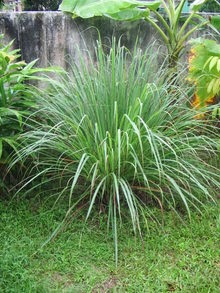
¼ cup lemon grass
¼ cup lemon balm.
¼ cup black berry leaf
1 ½ Tbls. Rose hips, crushed
1 Tbls.  echincea root, chopped fine
1 tsp. broken cloves
1 tsp. ginger root, snipped fine
1  3-inch cinnamon stick, broken

Combine all the herbs and spices in an airtight jar and use 1 to 2 tsp. per cup of hot water and allow to steep for 4 to 5 minutes.  Enjoy.

Here is what the herbs in the blend can do for you medicinally:
  • Mint will reduce congestion in colds and flus, induce sweating, which helps reduce a fever and relieves nausea without vomiting.
  • Ginger will also help with nausea and soothe a sore throat.  It is a warming herbs to is can bring on sweating and help reduce chills
  • Chamomile can assist with anxiety helping to induce sleep.  It is also good  with mild nausea and indigestion and can soothe a cough from throat irritation
  • Cinnamon is an all around herb for winter issues.  It can ease stomach discomforts like bloating and nausea as well as soothe a sore throat and can reduce other cold symptoms while warming you up on a cold night by increasing blood flow and circulation.
  • lemon grass
  • Lemon grass aids digestion, especially from nervous disorders and anxiety.  It also helps with high blood pressure.  If you drink a cup daily it also dilates blood vessels and improves circulation and reduces fluid retention al of which aid in lowering blood pressure.
  • Echinacea  is a traditional herb for boosting the immune system, relieving pain and reducing inflammation.  It has many antioxidant effects and is believed to shorten illness time for sufferers of the common cold
  • Rosehips provide a natural source of Vitamin C, even better than an orange.  As a result it boosts immunity.  Rosehips also provide minerals such as calcium, iron, silicon, selenium, natural sodium, magnesium, manganese, potassium, phosphorus and zinc which aid in cell healing
  • Blackberry leaf is also a source of Vitamin C as well as working on stomach bacteria.  It can help relieve pain, fevers and inflammation.  It is also considered an immunity booster.
  • Clove is a powerful analgesic that breaks up mucous and works as an expectorant.  A steaming cup of tea with this spice will provide a decongestant.  The spice is also good in the treatment of strep throat or tonsillitis.

  • Lemon balm is a virus fighter.  It has been used historically against shingles, mumps, and cold sores.  It also has relaxing properties that calm anxiety and nervousness and aid sleep.  It works well in the digestive system by reducing spasms, quelling heartburn and reducing nausea.

Monday, January 14, 2013

Valentine Gift Sets


I have to admit we were well into January before I realized Valentine’s is right around the corner. It's time to think about that special someone for Valentine's Day.  And I will make it easy for you, just click and order--no need to shop or mail.  I'll do it for you. You'll have to order right away, though.

Here's what we've got for the romantic day:


Premium Valentine's gift set: You get Pink Champagne Bath salts, Champagne truffles, Fizzing Romantic Rose salts in a test tube, and a bottle of luscious body lotion.  Comes in Romantic Rose scent, unless you request another scent. Beautifully packaged in a pink & red Pillow Box. All this for $24!

Pink Petite Valentine's gift set: This lovely set includes Pink Champagne Bath Salts, luscious body lotion, and fizzy bath salts. This one is also beautifully packaged, ready for gift-giving, and scented in Romantic Rose, unless you request another scent. Just $15 for this set!

Sizzling Conversation Set – This set contains three Fizzy Bath salts, each in a test tube and packaged in an organza bag. Three scents or one single scent.  We will package the romantic rose or any other scent you choose.  They're cute, unique, and only $10!
 

Pair of Hearts: This cute paring is perfect for a wife, girlfriend, friend, or anyone you'd like to bestow a novel, but inexpensive gift on.  This pairing is a lavender bath salt blend with a lavender-based Herbal Tea.  Nestled on colorful shred in a takeout box. Ready for gift-giving. It's a great little something for only $5 


Fragrances available: Lemon Citrus (a grapefruit, orange and lemon blend), Romantic Rose, Lavender, Lavender Patch (lavender & patchouli), or Dreamy Herbal Blend (notes of Palmarosa, Lavender, and Clary Sage marry to create a provocative blend)

To see other items from the Backyard patch, check out our Website: www.backyardpatch.com or our Etsy Shoppe where we post all the seasonal specials like these gift sets.

Friday, January 11, 2013

Brew up a Cup of Tea

For Hot Tea Month, I decided I should share more about tea on my blog.  But first I think you should just brew some!

A cup of fragrant herb tea is a natural choice when you want to avoid caffeine. And best of all, you can grow a variety of wonderfully scented herbs and snip off a couple of sprigs whenever you want a comforting cup of tea. You can also dry them and keep them for winter use during cold season or to give as gifts.

Add them to your garden and it comes alive with their spicy scents and with appreciative wildlife. Bees, hummingbirds and butterflies love the flowers of many herbs. It’s a pleasure to rub the leaves and enjoy a whiff of all the different perfumes while working in the garden. Many will do well potted into containers for your porch or patio.

Some of my favorites are: lemon verbena, bee balm, chamomile, scented geraniums, catnip (aka, catmint), pineapple sage, and lemon balm. But you may enjoy a more savory flavor with marjoram, thyme, especially the flavored thymes, like lemon or orange, and Holy Basil.

Brewing Herbal Tea

To brew herb tea just add a few leaves or sprigs to your tea pot, or follow this basic method from Rodale’s Illustrated Encyclopedia of Herbs:
1. Use a non-metal tea pot to preserve the true flavors.
2. For hot tea use 2 tablespoons of fresh herbs or 1/2 tablespoon of dry per cup of water.
3. For iced tea use 3 tablespoons of fresh herbs or 1 1/2 tablespoon of dry per cup of water (to allow for ice cubes).
4. Bring water to a boil, then pour over the herbs in the tea pot; cover to steep.
5. Steep for at least 5 minutes, test for taste, steep longer if desired.
Serve with honey, lemon or orange slices, or sprigs of fresh herbs. I like to add a dab of honey to both hot and iced tea. For iced tea add the honey before chilling the tea so it will dissolve.

Teapot Therapy

The pleasant ritual of brewing tea and enjoying a couple of cups from my teapot is very soothing. If you don’t have a teapot you can brew your tea right in your cup, just cover it while it’s steeping and strain out the herbs by pouring it into another cup to drink. Then keep an eye out at garage sales or pottery sales for interesting teapots to collect and enjoy a daily herbal tea ritual.

Monday, January 7, 2013

Five Benefits of Herbal Tea

Whether you want to shed some few pounds or simply desire to have good heath, herbal tea is definitely good for you. Herbal tea is a great substitute if you find drinking mineral water plain. Make sure you drink five glasses every day to relish all the benefits. Here are five top reasons  (one for each cup of tea) why you should drink herbal tea.

1. Great for weight loss
Herbal tea has been known to help in losing weight. This is a popular topic, reason being that teas can actually help in weight loss as they increase the body’s metabolism thus improving your blood circulation, cholesterol level and ultimately enhances cardiovascular health.

2. Prevents Cancer
People who drink herbal tea are less susceptible to lung cancer and other common diseases. Believe it or not, research indicates that herbal tea helps to treat stroke, heart ailments and even certain cancers.  But it could also be the lifestyle those that drink tea tend to adopt?!

3. Cures stomach ailments
If you suffer from frequent stomach ailments, try drinking at least a cup of tea every day after your meals. Herbal tea reduces the acids in the stomach and therefore digestion takes place ably.  Ginger and any of the mints can quiet digestive ailments.

4. Enhances the immune system
According to recent scientific studies, herbal teal strengthens the body’s immune system to ensure you are not prone to flu and other lung diseases. With a strong immune system, your body now has the ability to repair and regenerate the damage cells rapidly.  Echinacea is said to be a marginal assist with this, but germ fighters like lemon grass, thyme and sage will certain help.  And a bit of extra Vitamin C you get from parsley and rosehips cannot hurt either.

5. Reduces stress
When your work and lifestyle seems stressful, drink one cup of tea. It is relaxing and therefore very effective at minimizing stress levels.  Lavender and chamomile will both help your body calm down in stressful situations.

On the other hand, herbal tea has been known to interfere with medication, so always consult your physician. For instance, it prevents proper absorption of iron in the gut. Herbal tea is also considered an expensive habit, especially if you become addicted, like me – it could lead to large gardens and tea pot collections and many other bad habits.

Wednesday, January 2, 2013

Lemon Scones, Lemon Tea and Lemon Curd!


This time of year I start thinking about tea and scones and so in celebration of Hot Tea month.  You get the makings of a perfect tea party!  Tea, scones and lemon curd.  Enjoy!

Lemon Scones with Sour Lemon Glaze

These flaky lemon scones, drizzled with a tangy lemon icing are delicious hot, but I enjoy mine at room temperature the following day so the lemon flavor is at its best.

Makes 8 to 10 scones depending on size.

2 cups all-purpose flour
1/4 cup sugar
1/8 teaspoon salt
1 1/2 teaspoons baking powder
1/2 cup (1 stick) cold butter, cut
1 1/2 teaspoons lemon zest (about one lemon)
2 teaspoons freshly squeezed lemon juice
1/2 cup heavy whipping cream
1 egg

Icing:
3/4 cup confectioner's sugar
1 1/2 tablespoons freshly squeezed lemon juice

 Directions:
  1. In a large mixing bowl, measure the sugar and blend in the lemon zest.  Work the zest into the sugar with your fingers until the entire mixture becomes aromatic.
  2. Then whisk together the flour, sugar, salt, and baking powder. 
  3. Cut in the butter.
  4. In a separate bowl, whisk together the lemon juice, cream, and egg.
  5. Stir egg mixture into dry ingredients, just until a dough starts to form. Knead a couple times until the dough holds together.
  6. Turn onto a lightly floured surface and gently press dough into a circle, about an inch thick. 
  7. Cut into 8 to 10 wedges.
  8. Place scones on an ungreased baking sheet, not touching each other, and bake at 350 degrees for 25 minutes, or until edges are lightly browned. 
  9. Remove from oven and let rest on the sheet for 5 minutes.
  10. Prepare the icing by mixing the powdered sugar with enough lemon juice to make a drizzling consistency. 
  11. Place scones on a wire rack. Drizzle or brush icing over warm scones.

Lemon Herbal Tea
  This is a kin to my popular herb tea Zesty Lemon, featuring fun lemon herbs.

1 Tbls. Lemon Balm or Lemon Verbena
1 Tbls. lemon peel
1/2 Tbls. lemon grass

Use 2 tsp. per cup of water and let steep for 5 to 8 minutes.  The tea will be very light in color, but the flavor will be great!

Lemon Curd

2 cups sugar
12 large egg yolks, beaten and strained
1 cup lemon juice
1 cup (2 sticks) butter, unsalted at room temperature
2 Tbls. grated lemon peel

Combine sugar and egg yolks in a medium saucepan.  Gradually stir in lemon juice.  Cook, stirring constantly over low heat, until mixture coats the back of a spoon and the temperature registers 168 degrees F. on a candy thermometer.  Do not allow to boil.

Remove from heat and whisk mixture until slightly cooled.  Stir in butter, 1 Tbls. at a time, and add lemon peel.  While it is still warm, pour mixture into sterilized jars, cover tightly and refrigerate until ready to use.

You might also like to see the Lemon Poppy Seed Cake that we posted back in December 2012.

Tuesday, October 30, 2012

Hurricane Recovery Tea


We were only mildly effected in Chicagoland by Hurricane Sandy.  We had a few days of fierce winds with biting cold that made frost in air that was not actually cold enough for it.  But I know on the east coast things were rougher.

So take a moment thank the heavens you are still here and enjoy this tea which is formulated to relieve stress and relax tension.

Mellow Mood Tea
This tea is made with the most palatable of the calming herbs. Blended together, they'll defuse stress and anxiety and promote sound sleep.

1 tsp. chamomile flowers
1 tsp. lavender spikes
1 tsp. kava leaves
1 tsp. lemon balm leaves
1 tsp. marjoram
1 spray valerian flowers
1 quart water

Directions:
In a large saucepan, steep the chamomile, lavender, kava, lemon balm, marjoram, and valerian to taste in the freshly boiled water.  Strain out the plant material. Drink the tea hot or cool.  Drink  as often as needed, refrigerating any left over for later use.

Update: My freind Tina from the Essential Herbal Blog has posted some places where you can help if you are interested.  Here is the link to her posting: http://theessentialherbal.blogspot.com/2012/11/just-waiting-for-sun.html

Saturday, January 21, 2012

Winter Blah boost With Herbs

Winter Mood Booster Herbs

There has been virtually no snow this winter.  Many days it feels like spring outside, but unlike spring there is not lengthening of the days yet, no greening of the plants and if there is you worry that the next temperature turn will kill them and lessen real spring when it does come months from now.

With my husband going into the hospital at the first of the year and myself gathering a nice seasonal cold by the second week of the month, this year has brought on a serious case of the winter blahs.  I have no creativity at all.  Writing the blogs takes so much energy that I am lucky to write one a day which hardly gets me ahead for gardening season!  My fiction writing is in an untouched pile on the desk and even the thought that I might be getting something back from my editor is not exciting to me.  My beadwork has been spread out on the table for weeks and I have not even bothered to fix my broken earrings.  And we will not even talk about the housework that I have not accomplished this month…

I realized I needed some winter recovery in a hurry.  I turned to a few natural mood boosters. Try adding little things to your life that bring you joy till you reach a tipping point and have to give in to being in better spirits -- from a hot date with your bathtub every night for a week to fresh-cut flowers by your bed.  Sometimes it just takes a little creativity to find your way out of the doldrums of winter.  Someone once told me a cold shower in the morning is good for removing the blah’s too, but I have not yet given that the test.

Here are a few herbs shown to help ease you out of that rut...

Remember always check with your physician before beginning a new regimen (especially if you're on medication).

Lemon balm – Loved by gardeners and herbalists for its fresh minty-lemon aroma, Lemon Balm is known for its relaxing and calming effects and great flavor.  Lemon balm is wonderful in combination with milky oats and chamomile as a relaxing after-dinner tea.

St. John’s Wort might be one of the most well-known herbal remedies for depression.  It has been the focus of many scientific studies, but the evidence of its effectiveness has been inconsistent.  The general consensus seems to be that it can be healthful for mild forms of depression but lacks the ability to treat more severe depression all by itself.  This makes sense, since herbs, though potent, are not drugs and any herbal protocol for serious issues should have a broad and multi-tiered approach.  That said, individuals have had positive results taking St. John’s Wort, and it has a long history of use, especially in Europe.  Taking St. John’s Wort in the form of a tincture is easy and doable.  If you do not make your own tinctures, check out a supplier like Mountain Rose Herbs for a bottle of tincture.  Follow the instructions on the bottle or ask your healthcare provider for their recommended serving size specifically for you.  I am not one from the capsules, but I do make it into tea.  I have never grown more than I can use personally, so I do not have a tea blend with St. John’s Wort.

Lavender is one of the best herbs for relaxing tension, calming anxiety, and easing mild depression.  Turning to lavender essential oil is fast, easy, and uplifting when you’re feeling down.  Dilute the oil in a bath, use an essential oil diffuser, or apply a drop or two to your clothing or pillow case.

One of my first tea blends (a combination of lavender and lemon balm) was created during the winter doldrums when I was trying to make it through an especially dark winter.  After being outside gardening all summer the lack of activity and daylight took its toll.  The resulting blend is Lemon lavender Splash.  It even sounds uplifting, doesn’t it?

My Afternoon Lift  Tea was created the following year with the same idea in mind.  It contains cinnamon, chamomile and lemon balm and lemon peel.  It is a good treatment for winter ailments as well as mood lifting.

Everyone always asks me why I seem happiest in winter when it snows a lot.  That is because I love snow.  After a storm when the air is brisk and the sun is out I love to go for a walk and those in the know will tell you, Vitamin D which we get from sunlight exposure is especially good for improving your mood.  When there is no snow, I do not get outside much.  So don’t forget to get some time in the sunshine when you have the opportunity.  It’s for sure the best way to bring a little extra light into your winter day!

Wednesday, January 18, 2012

Rooibos - Herb of the Week

In keeping with herbs good for hot tea in the month of January (which is HOT TEA month!) I decided to discuss
Rooibos Aspalathus linearis, red bush tea as the Herb of the week.

photo courtesy of www.bushmanskloof.co.za
Deep in the heart of South Africa, in the mountains and valleys of the Cedarberg region near Cape Town, vast vistas, fields of verdant green bushes, fill the landscape. Traveling throughout this precipitous expanse, one may not suspect that this bright bush, which the locals refer to as "Rooibos," (pronounced roy-boss), could be such a versatile and remarkable herb. Among Rooibos' many uses, Rooibos' most popular utilization is as a tisane, or herbal beverage. Also known as Red tea, Bush tea and Redbush tea, Rooibos tea has become the hottest trend in the tea industry.

The product has been popular in Southern Africa for generations and is now consumed in many countries. Rooibos is grown only in a small area in the region of the Western Cape province of South Africa. Like most real teas (Camellia Sinensis), Rooibos tea goes through a fermentation process. Rooibos tea is finely chopped, bruised and left to ferment in heaps. Rooibos tea is then left to dry in the African sun, where it changes from a vivid green to a deep mahogany red the unique color which Rooibos tea is known and adored. This process produces the distinctive reddish-brown color of Rooibos and enhances the flavor. Unoxidized "green" Rooibos is also produced, but the more demanding production process for green Rooibos (similar to the method by which green tea is produced) makes it more expensive than traditional Rooibos. It carries a malty and slightly grassy flavor somewhat different from its red counterpart.

In South Africa it is common to prepare Rooibos tea in the same manner as black tea, and add milk and sugar to taste. Other methods include a slice of lemon and using honey instead of sugar to sweeten.

Rooibos is becoming more popular in Western countries, particularly among health-conscious consumers, due to its high level of antioxidants such as aspalathin and nothofagin, its lack of caffeine, and its low tannin levels compared to fully oxidized black tea or unoxidized green tea leaves. Rooibos also contains a number of phenols, including flavanols, flavones, flavanones, and dihydrochalcones. Two rooibos flavonoids, quercetin and luteolin have been known to have cancer fighting qualities. Rooibos does not contain the antioxidant Epigallocatechin-3-gallate (EGCG).

HISTORY
Through the 17th and 18th centuries, European travellers and botanists visiting the Cederberg region in South Africa commented on the profusion of "good plants" for curative purposes. In 1772, Swedish naturalist Carl Thunberg noted that "the country people made tea" from a plant related to rooibos or redbush.

Traditionally, the local people would climb the mountains and cut the fine needle-like leaves from wild rooibos plants. They then rolled the bunches of leaves into bags and brought them down the steep slopes on the backs of donkeys. The leaves were then chopped with axes and bruised with hammers, before being left to dry in the sun. The Dutch settlers to the Cape developed Rooibos as an alternative to black tea, an expensive commodity for the settlers who relied on supply ships from Europe.

In the 1930s, Ginsberg persuaded local doctor and Rhodes scholar Dr. Le Fras Nortier to experiment with cultivation of the plant. Le Fras Nortier cultivated the first plants at Clanwilliam on the Klein Kliphuis farm. The tiny seeds were difficult to obtain, as they dispersed as soon as the pods cracked, and would not germinate without scarifying. Le Fras Nortier paid the local "volk", some of whom were his patients, to collect seeds. An aged Khoi woman came again and again, receiving a shilling for each matchbox filled with seed. She had found an unusual seed source: having chanced upon ants dragging seed, she followed them back to their nest and, on breaking it open, found a granary. The attempts by Dr. le Fras Nortier were ultimately successful, which led Ginsberg to encourage local farmers to cultivate the plant in the hope that it would become a profitable venture. Klein Kliphuis became a tea farm, and within ten years the price of seeds soared to an astounding rate, the most expensive vegetable seed in the world. Today the seed is gathered by special sifting processes. Since then, rooibos has grown in popularity in South Africa, and has also gained considerable momentum in the worldwide market. A growing number of brand-name tea companies sell this tea, either by itself or as a component in an increasing variety of blends.

Due to the difficulties buying and shipping tea (once again, I'm referring to "real" tea) from war-ridden Asia during World War II, the demand for a substitute beverage was urgent. Since Rooibos tea was such a fitting alternative, Rooibos' popularity rapidly rose.  But it wasn't until decades later that Rooibos teas' real success began. In 1968, South African mother Annique Theron fortuitously stumbled across Rooibos teas' ability to calm her baby, relieving the infant of colic and insomnia. Gratified by Rooibos' natural healing potential, Annique went on to investigate and document Rooibos' health-promoting properties. In 1970, Annique published her findings a book titled "Allergies: An Amazing Discovery." With this publication, Rooibos tea first became widely recognized worldwide.

Widely acclaimed throughout the media and a New York Times Bestseller, The No.1 Ladies Detective Agency by Alexander McCall Smith extols the delicious qualities of naturally sweet Rooibos tea. Set in Botswana, Africa, The No.1 Ladies Detective Agency is the first book in a series (of the same title), wherein the main character, Precious Ramotswe, frequently entertains clients and visitors with a cup of what is referred to as "Bush" tea or "Redbush" tea (these, as we know, are colloquialisms for Rooibos). The enormous success of this series seems to have catalyzed a remarkable demand for Red tea, bringing Rooibos tea to the forefront of the beverage world.

USES
No matter what it is called (Red Tea, Redbush Tea, Bush tea, Mountain tea, Long life tea, Herbal Allergy tea or Rooibos Tea), all can agree that Rooibos is a delicious, naturally sweet and versatile beverage.  When Annique first made this discovery, it was impossible for her to know the many amazing health benefits Rooibos tea can provide. Throughout many years of rigorous scientific investigation, many benefits have surfaced and more are sure to follow.  Although most health claims about Rooibos have not been entirely proven, we are very clear that Rooibos tea contains many flavinoids, free-radical fighting antioxidants (similar to Polyphenols which have made Green tea famous). Even more alluring, unconfirmed studies are showing that these flavinoids may be up to 50 times more effective than those found in Green tea.

Rooibos is purported to assist with nervous tension, allergies and digestive problems. Traditional medicinal uses of rooibos in South Africa include alleviating infantile colic, allergies, asthma and dermatological problems.  Although human studies of rooibos are scarce in scientific literature, animal studies suggest it has potent antioxidant, immune-modulating and chemopreventive effects. In addition, no adverse side effects of consuming rooibos tea have been documented.  Being that Rooibos tea is naturally caffeine free (an especially important benefit for pregnant women, children and caffeine-sensitive drinkers), Rooibos tea can be consumed before sleep without caffeine's stimulant side effects. Rooibos tea has also been shown to soothe the body's reaction to allergy and rashes. Rooibos tea also contains anti-spasmodic agents which can relieve stomach pains. In Asia, it is known as "Long Life" tea, in that many believe that Rooibos has anti-aging effects

When added to lotions, Rooibos has been shown as an effective herbal remedy for skin ailments such as eczema and acne. In cooking, Rooibos tea has been shown to be an effective meat tenderizer and a wonderful marinade. Rooibos is also being used as a dye, a vitamin, a spice and just about anything that could be imagined.

RECIPES

Orange flavored Rooibos

3 Rooibos teabags
One can of Concentrated Orange Juice (341 ml Frozen and unsweetened)
Iced cubes

Prepare 1 liter of strong Rooibos (by steeping 3 bags in 1 liter of boiling water for more than 10 minutes).  Sweetner can be added to the warm Rooibos if a sweetened drink is required. Remove the teabags and add the frozen orange juice. Stir and add ice (2 to 3 trays of ice will be enough to cool down the tea and dilute the concentrate) Serve immediately with more ice cubes, garnished with fruit slices and mint. This mix can also be served later but then we recommend that you add less ice and let it cool down normally. Will serve 12 glasses.


Rooibos Fruit Smoothie

1/2 banana (preferably frozen)
3 cups fruit (peaches, berries, frozen or not)
Cold Rooibos until it reaches the top of blender

Blend and enjoy! A healthy energizing treat anytime!

Rooibos Pancakes

Using yesterday’s tea to make this mornings pancakes is a great way to use up Rooibos and add flavor, color and nutrients to your recipe.

2 cups cold Rooibos tea (or warm if it happens to be)
2 eggs
2 cups whole wheat or unbleached white flour
1 teaspoon baking soda with a tsp of apple cider vinegar to activate it
1 teaspoon vanilla (optional)
2 tablespoons oil of any kind (I use olive, canola or sunflower would be fine)

Combine the wet ingredients (except vinegar and oil), add the dry ingredients including baking soda and add the vinegar right on top. Once it fizzes, stir dry ingredients into wet until you have a smooth mixture. If it seems too stiff, add more rooibos, water or milk. If it seems too liquid, add a little more flour. The last step is to add the oil and stir just a few times so you can see the oil coating the outside of the batter. Heat cast iron pans or some other non stick pan. Pour into fry pans by the cup and when you see bubbles across the top of the pancake flip and cook on the other side for 25-50 seconds depending on the heat. The pancakes should be a golden brown color on both sides and cooked all the way through.

Rooibos Vegetable Soup
1/8 cup olive oil 
3 onions, finely chopped
2 cloves of garlic, crushed
1 lb of bacon, diced
2 cups broccoli, broken into florets
3 carrots, chopped  
4 potatoes, diced
2 1/2 cups green beans, cut into 1” pieces
2 cups cabbage, sliced (optional)
1 small can tomato paste
6 chicken stock cubes, dissolved in 6 cups of hot Rooibos Tea
Coarsely ground black pepper and salt to taste   
 ¼ cup Tbsp fresh parsley, chopped

Sauté garlic & onions in heated oil in a large saucepan until tender.  Add bacon & fry until done, but not brown.  Add the remaining vegetables and stir-fry slightly. Add chicken stock and bring to boil. Reduce heat and simmer until vegetables are tender. Flavor with salt, pepper and nutmeg. Sprinkle with parsley & serve.  (Serves 8-10)

Wednesday, January 11, 2012

Apple Mint - Herb of the Week

In celebration of Hot Tea month, I decided to choose an herb that would be excellent in Tea, so the

 Herb of the Week is - Apple Mint  - Mentha suaveolens. 

With a slightly fruity flavor it is a particularly good choice for garnishing drinks and adding zest to fruit salad, cottage cheese and cream cheese.

Like all mints, Apple mint had a square stem, but unlike many varieties, the leaves of Apple mint are round with a toothed edge and somewhat hairy.  They are a bright green color and can grow from 1 to 4 inches in size.  This plant gets its name from the slight apple scent and mildly fruity flavor these leaves possess.  Apple mint will flower in July and August with attractive mauve flowers.  The plant can grow 2 to 3 feet high and is a vigorous grower.

Historically mint is a strewing herb which was seen by the Greeks as the herb of hospitality.

To Grow
Hardy to Zone 5 apple mint likes a rich, moist, well-drained soil.  It grows in full sun, to part shade.  Sometimes referred to as an invasive plant most people have more difficulty getting rid of mint, rather than getting it started.  So to protect your yard, or other garden areas be sure to install a barrier that is at least 10 inches deep to keep the roots from spreading.  Mint thrives in a partly shady spot with plenty of moisture.  Allow 1 to 1 ½ feet between plants.  Don’t dress the soil with fresh manure, or add too much organic matter as this will only encourage rust.

Cut Apple mint frequently to encourage a bushier habit, as it likes to grow tall.  The leaves of apple mint will be large, so if allowed to grow too tall the branches will get heavy and flop.  After the last harvest cut the mint to the ground, since it will spring from the root you do not need the plant to have a returning mint and this will eliminate Mint pest breeding grounds.

You can grow mints in a container, but you will have to repot each year because of the large root growth.

To propagate most mint species you should do so by cuttings or root division.  Since many are hybrids, the seed is rarely viable and you might not get a true example from seed.  Mint cuttings will root easily in a moist potting soil on just in water.  When dividing an existing plant do so in the fall.

Uses
When making tea with mint you can use fresh or dried leaves. An excellent aromatic it can actually improve in scent as the plant grows older.  In hot seasons mints can be hung around the house in freshen the air and lend that feeling of minty coolness.

A tea for insomnia can be made with Apple mint with orange bergamot.

Lay a crush apple mint leaf on a bee sting or other insect bite to relieve pain and bring cooling.

For a wonderfully refreshing drink, twist or bruise 1 cup of Apple mint.  Place in a clean half-gallon container.  Fill with fresh cool water.  Chill in the refrigerator.  Strain and serve on ice.

Apple mint sprigs in your iced tea will improve the sweetness.

An herb vinegar made with apple mint and orange peel is a great marinade for lamb and in salad dressing.

Recipes to Try

Zucchini with Mint and Lemon (serves 4)

1 lb. zucchini, sliced into thick coins
splash of olive oil
2 cloves garlic, finely minced
¼ tsp. ground turmeric
5 thin lemon slices
2 tsp. minced fresh or 1 tsp dried apple mint
1 Tbls. minced fresh garlic chives or regular chives

Blanch the zucchini in boiling water until almost tender, about 1 ½ minutes.  Drain and pat dry.  The blanching helps tenderize the zucchini so it can be sautéed in very little oil.

Heat in a large sauté pan over high heat, then use a pastry brush to spread the olive oil around.  Add the zucchini, garlic, turmeric, and lemon and sate until the zucchini is soft and fragrant, about 5 minutes.  Toss with the mint and garlic chives and serve warm or very slightly chilled and be sure to eat the lemons too!

The best way to use apple mint, besides for its flavor in tea is with fruit.  The fruity scent and flavor of the leaves really melts well with any fruit.  You can just toss the leaves into your basic fruit salad or make an aromatic liquid to soak the fruit in.

Fruit Liquid

¼ cup lime juice
½ tsp pure vanilla extract
¼ cup (not packed) fresh mint leaves

Blend the ingredients together, then pour over 2 cups of fruit.  Slices plums, mandarin orange section, cantaloupe, honeydew or sliced pears will all work well.  Garish with fresh mint sprigs.

Cooling Tea Blend

1 tsp dried rose hips, crushed
1 tsp apple mint leaves, crushed
1 tsp sage leaves, rubbed
Please all herbs in a tea pot and add one cup of boiling water.  Let steep 10 minutes.  Strain and sweeten with honey to taste.

This tea blend is cooling as well as high in vitamin C.  It is especially good for treating feverish colds.

Tuesday, December 27, 2011

Using Rose Hips in Winter

Everyone tends to go with the old remedy of increased vitamin C as a way to stave off seasonal illnesses and colds.  I believe in this as well, but what you may not know is that citrus is nice but Rose hips are the largest source of Vitamin C by volume and are simple and easy to use in your seasonal cures.

Roses, traditional non-hybrid roses, develop a seed pod just at the base of the flower.  These red balls are known as "hips" and yes the seeds are in them.  Rose Hips make a wonderful tea.  They are high in Vitamin C, also contain vitamins A, B, D, K, E, and flavinoids (antioxidants), and prevent bladder infections, ease headaches and dizziness. 

I usually wait until frost before I harvest my rose hips, so with frost not coming until 11/11/11 this year, I am still out cutting hips in December.  I find the best way to let them dry is on the plant, rather than indoors on a screen. To many times they mold which made me decide to let mother nature do her thing and gather the dried hips instead.

Once you gather the hips you need to crush them. And sift out the prickly bits that exist inside with the seeds.  I find they irritate my skin and they float to the top of my tea so I prefer to remove them.  You can buy sifted rose hips if you do not wish to do this rather labor intensive job yourself.

Many of the medicinal herbs listed here I grow only for personal consumption because I do not try to diagnose or treat illnesses for anyone but myself.  However, these are tried recipes and certain can assist you with seasonal ailments when taken in moderation and in consultation with a professional.

Basic Rose Hip Tea

Pour 1 cup of boiling water
Rosy Bite Tea Leaves
over 2 heaping teaspoons of chopped rose hips

You can use rose hips with or without their seeds. Steep the herbal tea, covered, for 15 minutes and strain. Sweeten the refreshing, slightly sour tea with honey, if desired. Drink the tea lukewarm at bedtime for maximum effectiveness. The tea can be also be added to soups and stews to boost their tartness and vitamin C content.

I use rose hips in two of my favorite iced tea and hot tea blends.  With rose petals, hibiscus and sage I make a rose hip tea called Rose Blush that is good hot or cold and when mixed with honey and a bit of whiskey is great for seasonal ailments.  The other I call Rosy Bite because the tart nature of the rose hips is blended with Hibiscus.


Rose Hip Wine Helps Circulation

Rose hip wine stimulates the appetite and increases blood flow. Steep 3 ounces of dried rose hips in 1 quart of strong, dry red wine for 2 weeks. Filter the wine. Drink 2 small glasses per day. Who can beat that prescription!


Medicinal Tea Mixture for Cold Prevention & Relief

1 1/2 ounces rose hips
3/4 ounce marshmallow root
3/4 ounce mullein flowers and leaves

This tea stimulates the immune system. When you have a cold or flu, the tea loosens bronchial mucus and makes coughs more productive. For a cup of tea, use 1 cup of water and 2 teaspoons of the tea blend.


Herbal Tea Mixture for Abdominal Cramps and Mild Diarrhea

1 ounce rose hips
3/4 ounce peppermint leaves
3/4 ounce lemon balm leaves
3/4 ounce blackberry leaves

This tea regulates bile flow and relieves intestinal cramping and mild diarrhea. It is also a first-aid remedy for queasiness and nausea. Use 1 cup of water to 2 teaspoons of the tea blend.


Medicinal Tea to Relieve Gout & Kidney Gravel

1 1/2 ounces rose hips
3/4 ounce nettle leaves
3/4 ounce goldenrod leaves
3/4 ounce horsetail leaves

This tea flushes gravel from the kidneys, combats chronic urinary-tract infections and helps eliminate uric acid assisting gout patients. For each cup of tea use 1 cup of boiling water and 2 teaspoons of the tea mixture. Strain and enjoy!

}, 10);